
In modern Hollywood, true auteur partnerships are an endangered species. The days of Martin Scorsese and Robert De Niro, or Alfred Hitchcock and James Stewart, have largely been replaced by franchise rotation and algorithmic casting.
Yet over the past six years, Greek visionary director Yorgos Lanthimos and two-time Academy Award winner Emma Stone have forged one of the most daring, artistically unhinged creative alliances in cinematic history. Following their triumphs on The Favourite, the Oscar-winning phenomenon Poor Things, and the provocative triptych Kinds of Kindness, the duo has reunited for their most audacious gamble yet: the sci-fi dark comedy Bugonia.
Co-starring Jesse Plemons and produced by horror auteur Ari Aster (Hereditary, Midsommar), Bugonia has rocketed to the top of moviegoers’ most anticipated lists. But beneath the starry marquee lies a fascinating history: an English-language reimagining of one of the wildest, most subversive cult classics ever produced in South Korea.
Here is the complete insider breakdown of the upcoming cinematic event, its legendary source material, and why Bugonia is primed to redefine contemporary sci-fi satire.
The Premise: Kidnapping Corporate Aliens
At its narrative core, Bugonia is an explosive collision between modern conspiracy paranoia, economic rage, and extraterrestrial dread.
The plot follows two conspiracy-obsessed eccentrics (led by Jesse Plemons) who become convinced that humanity is on the verge of extinction at the hands of an alien invasion from the Andromeda galaxy. Identifying the high-powered CEO of a massive pharmaceutical conglomerate (Emma Stone) as the extraterrestrial royalty orchestrating Earth’s downfall, the duo kidnaps her, barricades themselves in an isolated basement laboratory, and subjects her to bizarre “anti-alien” interrogations.
What unfolds is a ferocious psychological battle of wills: * Is the CEO a literal shape-shifting reptilian monarch possessing cosmic technology? * Or is she simply an innocent, hyper-capitalist corporate executive trapped at the mercy of two mentally unraveled victims of late-stage capitalism?
In an era saturated with internet radicalization and algorithmic rabbit holes—dynamics we examined in our survey of how digital culture and deadpan absurdism redefined modern comedy—Bugonia uses alien mythology as a laser-guided scalpel to dissect contemporary societal fracture.
The Cult Legend: South Korea’s Save the Green Planet!
While mainstream audiences are anticipating Bugonia as a brand-new Lanthimos original, cinephiles recognize it as the long-gestating remake of Jang Joon-hwan’s 2003 South Korean masterpiece Save the Green Planet! (Jigureul Jikyeora!).
Released during the golden explosion of New Korean Cinema alongside Bong Joon-ho’s Memories of Murder and Park Chan-wook’s legendary revenge thriller highlighted in our countdown of the best movies with a twist of all time, Save the Green Planet! was a critical darling that baffled domestic box office marketers upon release.
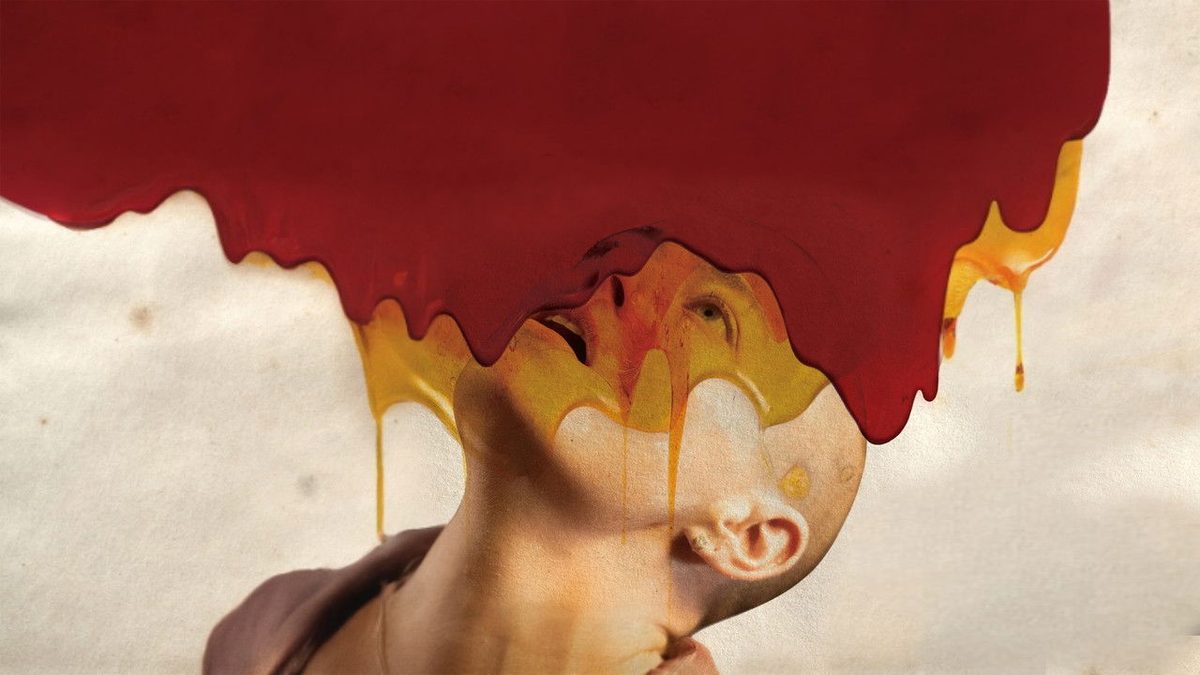
The original Korean film was a dizzying, genre-defying miracle: shifting in a split second from slapstick physical comedy (shaving the CEO’s head and rubbing hot chili paste on his feet to disable telepathic sensors) to gut-wrenching police melodrama, brutal torture horror, and cosmic tragedy. Over the past two decades, international directors—including Bong Joon-ho and Guillermo del Toro—have championed Save the Green Planet! as one of the greatest unheralded films of the 21st century.
For nearly a decade, an American remake was considered impossible because Hollywood studio executives could not comprehend its tonal whiplash. Enter Yorgos Lanthimos.
The Dream Creative Team: Lanthimos, Tracy, and Aster
What makes Bugonia the rare Hollywood remake that feels essential rather than cynical is the astonishing confluence of talent behind the camera.
1. The Screenplay: Will Tracy
The adaptation was penned by Will Tracy, one of the sharpest satirical pens working in entertainment today. Tracy served as a core writer on HBO’s Succession (penning the catastrophic Season 4 Norwegian retreat episode) and co-wrote the razor-sharp culinary satire The Menu. Tracy’s signature talent is writing insulated, narcissistic elites whose intellectual arrogance blinds them to physical danger—making him the ideal scribe to capture the dialogue between Emma Stone’s captured CEO and her kidnappers.
2. The Producers: Ari Aster and CJ ENM
Ari Aster, the modern master behind Hereditary and Beau Is Afraid, spent years developing the project through his production shingle Square Peg, working in partnership with South Korean entertainment titan CJ ENM (the visionary studio behind Best Picture winner Parasite). Recognizing that standard studio directors would dilute the story’s pitch-black eccentricities, Aster personally courted Lanthimos to take the helm.
3. The Visual Geometry: Yorgos Lanthimos
From the rigid, deadpan dystopia of The Lobster to the decadent, fisheye excess of Poor Things, Lanthimos is cinema’s reigning maestro of the absurd. Much like the meticulous visual symmetries celebrated across Wes Anderson’s definitive filmography, Lanthimos uses geometric framing, sudden zooms, and uncomfortable physical proximity to create a sense of heightened theatrical reality. No filmmaker alive is better equipped to make audiences laugh hysterically at a scene before feeling physically sickened by its underlying moral stakes.
Emma Stone and Jesse Plemons: The New Gold Standard
At the center of Bugonia is the combustible chemistry between Emma Stone and Jesse Plemons.
In Kinds of Kindness, Plemons earned the Cannes Film Festival Best Actor prize for his quiet, devastating performance as an obedient employee desperate for his boss’s approval. Stone, meanwhile, has achieved a level of uninhibited physical fearlessness that recalls classic Hollywood screwball queens filtered through avant-garde European art cinema.
In Bugonia, their power dynamic is flipped upside down: * Plemons brings his trademark weathered, blue-collar earnestness to a character whose broken psyche has calcified into righteous, cosmic crusade. * Stone commands the screen as a formidable, sharp-tongued titan of industry who must weaponize corporate negotiation tactics, psychological warfare, and physical endurance while strapped to a basement chair.
Watching these two heavyweights trade verbal barbs inside Lanthimos’ claustrophobic sandbox promises to be an acting masterclass.
Why Bugonia Matters for Modern Cinema
In a theatrical landscape dominated by superhero fatigue and risk-averse intellectual property extensions, Bugonia represents the holy grail: a mid-budget studio film backed by Focus Features and Universal Pictures that is uncompromisingly weird, conceptually provocative, and deeply human.
By reframing our collective economic anxieties and political delusions through the lens of alien paranoia, Lanthimos and Stone are not merely delivering entertainment—they are holding up a fractured, hilarious mirror to a civilization on the brink. When Bugonia arrives in theaters, expect cinema’s sharpest minds to remind the world that sometimes the only way to save the planet is to laugh in the face of oblivion.