
In the history of American humor, there are stand-ups, there are movie stars, and there are literary wits.
Steve Martin is the rare genius who conquered all three at the highest possible level.
In the late 1970s, Martin revolutionized live comedy, filling 20,000-seat sports arenas with an arrow through his head, a white three-piece suit, and a brand of joyous anti-comedy that permanently shattered the traditional setup-punchline format. Then, at the absolute height of his stand-up fame, he walked away from the stage forever to reinvent himself as one of Hollywood’s greatest screenwriters, leading men, and physical comedians. As detailed in his landmark memoir Born Standing Up—highlighted in our guide to essential comedy memoirs and audiobooks—Martin understood that comedy is an exact science where timing, discipline, and absurdity collide.
From the slapstick brilliance of The Jerk and the heartbreaking holiday warmth of Planes, Trains and Automobiles to his late-career renaissance in Only Murders in the Building, Martin has spent half a century defining the comic art form.
Here is the definitive critical ranking of the 10 best Steve Martin movies and tv shows, evaluated by cultural footprint, screenwriting craft, and pure comedic genius.
1. Planes, Trains and Automobiles (1987, Paramount Pictures) — “Neal Page”
The Role: Neal Page, an uptight, high-strung marketing executive whose desperate Thanksgiving journey home to Chicago is hijacked by an overly affectionate shower-curtain-ring salesman.
John Hughes’ Thanksgiving odyssey is widely regarded as one of the greatest comedies ever made, and its engine is the immaculate friction between Steve Martin and the late John Candy.
While Candy’s Del Griffith supplies the boisterous optimism, Martin’s Neal Page is a masterclass in slow-burn comedic exasperation. Much like the tension mechanics we broke down in our dissection of deadpan cringe and social unraveling, Martin allows Neal’s rage to simmer under a veneer of polite corporate professionalism until it boils over in the famous, profanity-laced car rental desk tirade. Yet, when Neal realizes Del’s tragic secret on the Chicago train platform, Martin pivots to quiet, devastating empathy without missing a single emotional beat.
2. The Jerk (1979, Universal Pictures) — “Navin R. Johnson”
The Role: Navin R. Johnson, an impossibly naive, sweet-natured idiot who leaves his rural Mississippi family to discover the world, striking accidental riches with an invention called the Opti-Grab.
“I was born a poor Black child…”
With those immortal opening words, Steve Martin and director Carl Reiner birthed modern cinematic absurdism. Released in 1979, The Jerk proved that Martin’s anarchic stand-up persona could anchor a massive box-office blockbuster.
The film operates on pure, relentless joke density—anticipating the high-velocity gag structure we analyzed in the golden era of parody cinema. Whether shouting with unbridled ecstasy because “The new phone book’s here!” or wandering into the night claiming he needs nothing but an ashtray, a remote control, and a paddle game, Martin played Navin with total, angelic innocence.
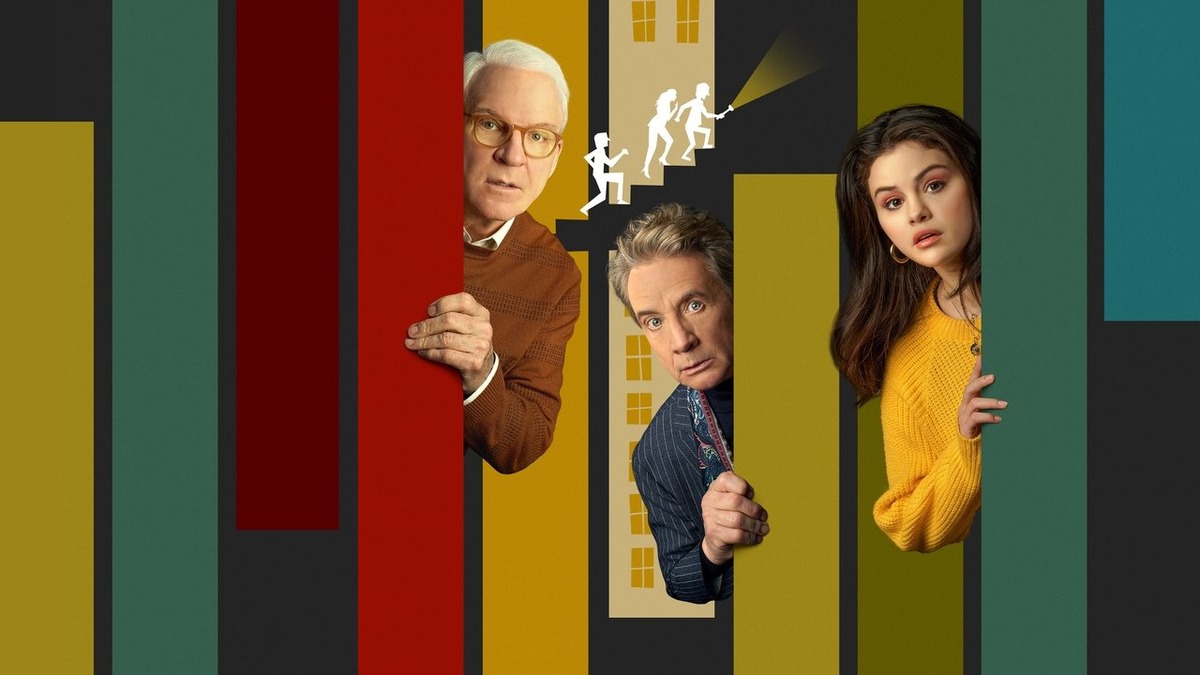
3. Only Murders in the Building (2021–Present, Hulu) — “Charles-Haden Savage”
The Role: Charles-Haden Savage, a solitary, washed-up 1990s television detective who teams up with two eccentric neighbors to solve real murders inside their Upper West Side apartment building.
In his seventies, when most legends are content to rest on lifetime achievement awards, Steve Martin co-created and anchored one of modern streaming’s biggest critical and cultural hits.
Only Murders in the Building functions as a brilliant dual celebration of true-crime podcast obsession and generational comedy. The lifelong real-world chemistry between Martin and Martin Short is intoxicating—Short’s theatrical, flamboyant Oliver Putnam bounces off Martin’s reserved, neurotic Charles with surgical precision, grounded by Selena Gomez’s dry Gen-Z deadpan. In Season 1’s standout episode “The Boy from 6B,” Martin delivers a tour-de-force silent physical comedy sequence through an elevator and lobby that rivals Buster Keaton.
4. Dirty Rotten Scoundrels (1988, Orion Pictures) — “Freddy Benson”
Directed by Frank Oz, this sparkling comedy of manners pits Martin against two-time Oscar winner Michael Caine on the French Riviera. Caine plays Lawrence Jamieson, an elegant, refined British con artist fleecing wealthy heiresses; Martin plays Freddy Benson, a loud, vulgar American grifter who muscles in on his territory.
Martin is at the peak of his physical powers here. His transformation into “Ruprecht,” Lawrence’s unhinged, eye-patch-wearing, pot-banging brother (“Do you want some genital-cuffing?!”), is one of the most explosive bursts of physical slapstick in modern cinema history.
5. Roxanne (1987, Columbia Pictures) — “C.D. Bales”
Written by Martin himself, Roxanne is a luminous, witty modern retelling of Edmond Rostand’s Cyrano de Bergerac. Martin stars as C.D. Bales, a beloved small-town fire chief blessed with extraordinary wit, agility, and a comically oversized nose.
The film’s centerpiece—a bar sequence where Martin effortlessly rattles off twenty creative, self-deprecating insults about his own nose to silence a neighborhood bully—is a testament to Martin’s sublime verbal elegance. Roxanne proved Martin was not just a clown; he was a sophisticated romantic playwright of the highest order.
6. Three Amigos! (1986, Orion Pictures) — “Lucky Day”
Co-written by Martin alongside Saturday Night Live creator Lorne Michaels and composer Randy Newman, Three Amigos! united Martin, Martin Short, and Chevy Chase as a trio of 1916 silent movie cowboy stars who are mistakenly hired by a Mexican village to fight real ruthless bandits.
Dressed in ornate mariachi costumes and oversized sombreros, Martin plays Lucky Day with grand theatrical bombast. The trio’s elaborate handshakes, impromptu campfire harmonies (“Blue Shadows on the Trail”), and oblivious Hollywood vanity laid the groundwork for modern meta-comedies like Galaxy Quest and Tropic Thunder.
7. Father of the Bride (1991, Touchstone Pictures) — “George Banks”
Directed by Charles Shyer, this beloved remake of the Spencer Tracy classic cemented Steve Martin as the quintessential 1990s American family patriarch.
As George Banks, Martin captures the precise psychological agony of an ordinary father watching his 22-year-old daughter grow up while his domestic budget is decimated by flamboyant wedding coordinator Franck Eggelhoffer (Martin Short). Martin’s supermarket breakdown over hot dogs and hot dog buns (“I want to get nothing for my money!”) remains a relatable comedic touchstone.
8. Bowfinger (1999, Universal Pictures) — “Bobby Bowfinger”
Penned by Martin and directed by Frank Oz, Bowfinger is one of Hollywood’s sharpest, most affectionate satires of low-budget film production. Martin plays Bobby Bowfinger, a desperate, bankrupt B-movie producer who tricks Hollywood’s biggest action megastar, Kit Ramsey (Eddie Murphy), into starring in his alien invasion movie by filming him with hidden cameras without his knowledge.
Martin and Eddie Murphy (who also plays Ramsey’s awkward, nerdy brother Jiff) have magnetic comedic rhythm. The film skewers Hollywood vanity, fringe cults, and indie hustle with immense wit and zero cruelty.
9. L.A. Story (1991, TriStar Pictures) — “Harris K. Telemacher”
Written by Martin, L.A. Story is a whimsical, surreal love letter to Southern California culture. Martin stars as an eccentric television “wacky weatherman” who receives romantic advice from an electronic freeway traffic sign while falling in love with a British journalist (Victoria Tennant).
Full of roller-skating through art galleries, ridiculously complex coffee orders, and Shakespearean echoes, L.A. Story showcased Martin’s poetic, romantic sensibility and proved how deeply he understood the absurdities of modern metropolitan life.
10. Saturday Night Live (1976–Present, NBC) — Recurring Legend & Host
While never a permanent cast member, Steve Martin is more foundational to Saturday Night Live than almost anyone who ever held a contract. Across more than 16 hosting appearances—explored in our history of collegiate comedy troupes and the SNL pipeline—Martin defined the show’s golden era.
Alongside Dan Aykroyd, he created the immortal Festrunk Brothers (“Two Wild & Crazy Guys”); scored a Billboard hit single with “King Tut”; and helped establish the exclusive “Five-Timers Club.” To this day, Martin represents the platinum standard for live sketch comedy performance—a lineage of unapologetic Studio 8H character commitment echoed in our ranking of the 10 best Tracy Morgan movies and TV shows.